FRP Cross Arms for Power Distribution
Durable, lightweight, and corrosion-resistant cross arms engineered for reliable and long-lasting power distribution.
FRP Cross Arms for Power Distribution
FRP Cross Arms
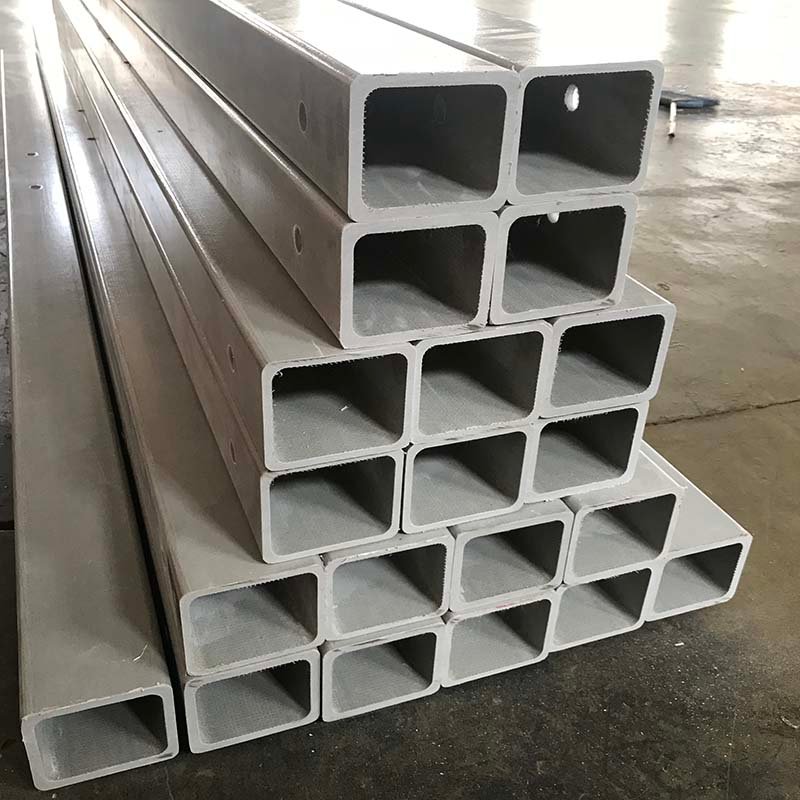
Mega Group’s FRP cross arms provide a safe, durable, and lightweight solution for electrical power distribution. Manufactured using pultruded fibreglass, they offer excellent strength, electrical insulation, and long-term performance in demanding outdoor and coastal environments.
-
High dielectric strength for enhanced electrical safety.
-
Corrosion resistant with no rust, rot, or deterioration.
-
Lightweight and high-strength pultruded fibreglass construction.
-
Maintenance free, eliminating painting and regular treatment.
-
Long service life for reliable grid and utility infrastructure.
Applications
Mega Group provides reliable composite solutions designed to support critical electrical power and utility infrastructure. Our products offer durable, efficient, and dependable performance across a wide range of applications.
-
Electrical power distribution lines.
-
Transmission line structures and support systems.
-
Utility and electrical grid infrastructure projects.
-
Substation equipment and structural support.
-
Pole-mounted electrical equipment and components.
Answers to our most frequently asked questions
If you have any additional questions or concerns not addressed in our FAQs, please don’t hesitate to contact us.
Who manufactures FRP cross arms in Pakistan?
Mega Group is the first manufacturer of pultruded FRP cross arms in Pakistan for power distribution and transmission lines.
Why use FRP cross arms instead of wood or steel?
FRP cross arms are non-conductive, corrosion-proof, lightweight, stiff and maintenance-free, giving better line safety and a longer service life than wood or steel.
Are FRP cross arms suitable for coastal areas?
Yes. Their corrosion resistance makes FRP cross arms ideal for humid and coastal grid environments where steel and wood degrade quickly.
What are FRP cross arms used for?
They support conductors and insulators on electrical and utility poles in distribution and transmission line and grid infrastructure projects.